
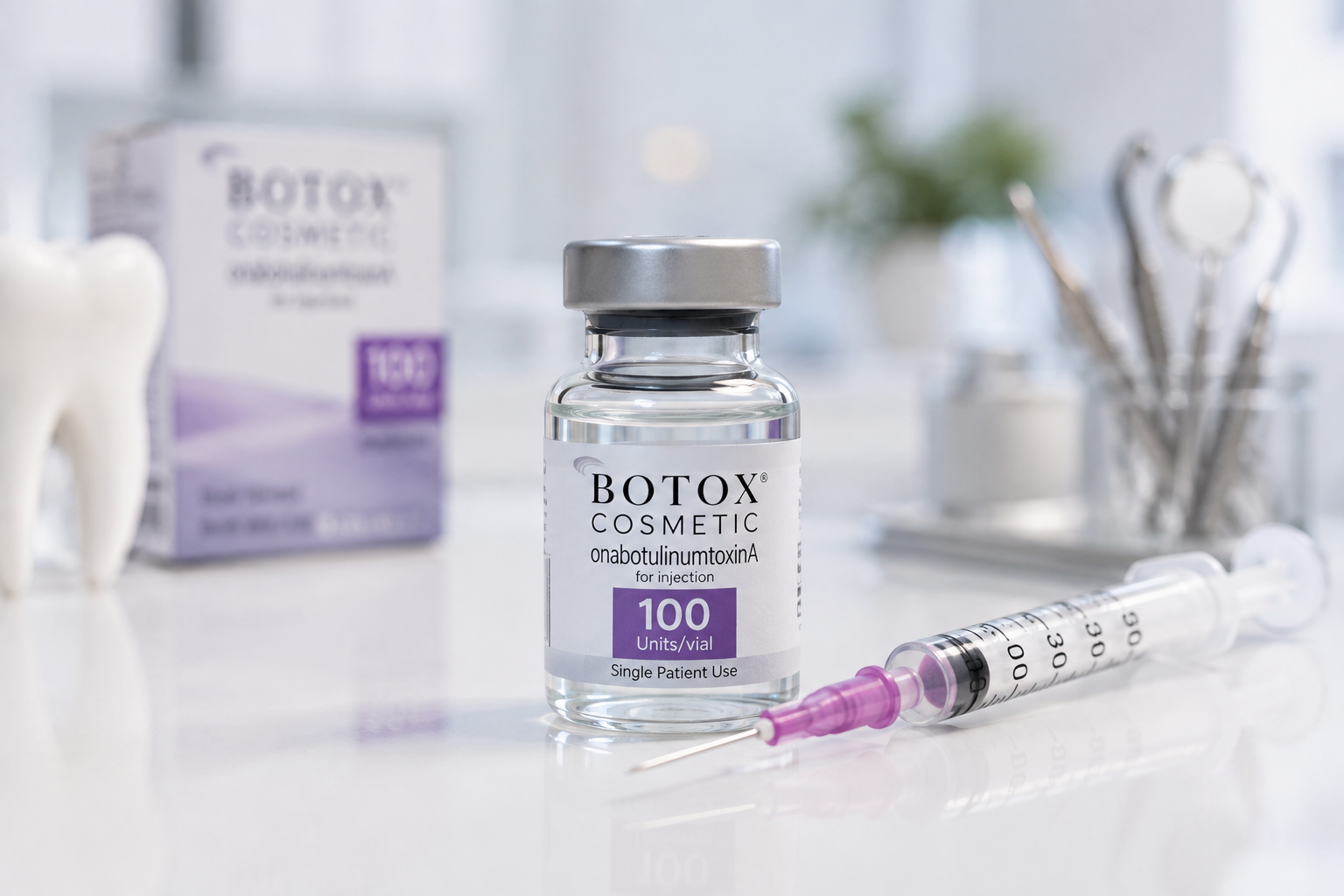
Restorative and cosmetic dentistry in 2026 now studies the face, jaw muscles, bite force, and soft tissue balance as one connected system. Dental Botox James Island SC fits this wider clinical model because neuromodulators can influence muscle activity around the smile, the jaw, and selected facial expression patterns when a trained dentist evaluates anatomy first. For Charleston patients, the appeal is not simply convenience. It is the chance to place facial esthetics and dental function under one diagnostic conversation.
Dental Botox Belongs in an Anatomy Led Visit
Botox treatment around the mouth should never feel casual. The muscles that shape a smile also affect chewing, speech, clenching, facial expression, and joint comfort.
Dentists study facial nerves, masticatory muscles, occlusion, smile dynamics, and tooth wear every day, which gives dental treatment planning a distinct clinical angle.
Why Dentists Understand the Smile Zone
A dentist who evaluates Botox from a dental perspective looks beyond forehead lines or isolated facial wrinkles. The exam may include the masseter muscles, temporalis tension, lip movement, smile symmetry, gum display, tooth wear, and the way the upper and lower teeth meet.
The American Dental Association offers continuing education on botulinum toxin and dermal fillers for both esthetic and therapeutic applications, including muscle sites, depth, indications, contraindications, preparation, and dilution. The course also places special focus on bruxism and TMJ related concerns.
South Carolina Has a Dental Scope Conversation
Patients searching for Botox at dentist Charleston SC often want to know why a dental office belongs in this discussion at all. South Carolina regulatory history matters here. A 2018 scope update allowed dentists in the state to administer botulinum toxin neuromodulators, according to reporting on the South Carolina Board of Dentistry regulation.
That does not mean every case qualifies. It means patients should ask about training, diagnosis, treatment goals, product choice, dose planning, and follow up.
TMJ, Bruxism, and Muscle Overactivity Require Careful Screening
Jaw pain can come from many sources. Muscles, joints, teeth, posture, airway concerns, stress, parafunction, arthritis, and old restorations can all contribute.
Botox may help selected muscle driven cases, but it should not replace a full dental and jaw evaluation.
Where Botox May Help the Jaw
The masseter and temporalis muscles can become overactive in some patients who clench or grind. That overactivity may contribute to facial soreness, morning jaw fatigue, headaches, worn enamel, fractured restorations, and tenderness during chewing.
A 2024 review found that botulinum toxin might help with nocturnal bruxism and could lessen some symptoms of TMD. The authors noted that studies varied and stronger evidence is needed. For TMJ Botox James Island patients, that means the conversation should stay balanced. The treatment may help the right muscle pattern, but diagnosis still decides.
Botox Is Not the First Answer for Everyone
Some patients need a night guard, bite adjustment, physical therapy, stress related habit coaching, restorative dentistry, or joint imaging before injections make sense. Others may not need Botox at all.
A responsible dental team reviews medical history, medications, pregnancy status, neuromuscular conditions, allergies, prior injection response, and treatment expectations. Small details matter.
Facial Esthetics Should Respect Natural Movement
Dental Botox has gained attention because smile design involves more than teeth. The lips, cheeks, chin, jawline, and perioral muscles all influence how dental work appears.
The best cosmetic result keeps expression believable. The face should still look like the patient.
| Treatment concern | Dental relevance | Planning focus |
| Heavy masseter activity | Tooth wear and jaw fatigue | Muscle pattern and bite load |
| Gummy smile pattern | Excess upper lip lift | Lip movement and gum display |
| Chin dimpling | Lower facial tension | Soft tissue balance |
| Smile asymmetry | Uneven muscle pull | Expression during movement |
| Facial volume concerns | Lip and cheek support | Restorative and esthetic timing |
Harmony Comes From Restraint
A facial harmony dentist Charleston approach should not chase frozen expression or dramatic change. It should study how tooth length, lip position, smile arc, and facial muscle pull interact during speech and smiling.
That matters before veneers, crowns, bonding, whitening, or gum contouring. A small change in lip movement can affect how much tooth or gum shows after cosmetic dental work.
Fillers Are a Separate Decision
Neuromodulators relax selected muscles. Fillers add volume or shape in selected areas. They are not interchangeable treatments.
Patients researching dermal fillers dentist SC should expect a separate conversation about facial anatomy, tissue support, medical history, product selection, and whether filler treatment truly supports the dental plan. In some cases, restorative dentistry or orthodontics changes facial support more appropriately than injectable treatment.
A Local Education Gap Creates a Strong Patient Advantage
Many Charleston area patients still associate Botox only with med spas, even when their concern relates to clenching, facial muscle strain, or smile balance.
A dental setting can offer a different path because the conversation starts with teeth, bite, gums, jaw joints, and facial movement together.
What a Dental Botox Consultation May Include
A thorough consultation may include photographs, bite records, muscle palpation, tooth wear analysis, TMJ screening, smile movement review, and a discussion of prior dental or injectable treatment. CBCT may support complex joint or restorative planning, but it is not routine for every Botox visit.
The clinician should explain expected onset, temporary duration, possible asymmetry, chewing changes, bruising, and the need for follow-up. Clear consent protects the patient.
Final Perspective
Dental Botox is worth considering when it adds to a measured approach to jaw muscle activity, smile dynamics and facial balance. Evidence indicates a potential benefit for some bruxism and TMD symptoms, but outcome is dependent on diagnosis, training, dose control, and patient selection. Dental Botox James Island SC should be assessed as clinical care, not a trend. Tri-County Dental Arts suggests patients discuss with the clinical team if this is the right approach for their goals.
FAQs
Can a dentist administer Botox in South Carolina?
Yes, a dentist can administer Botox in South Carolina when properly licensed, trained, and working within the allowed dental scope. Patients should still ask about experience, treatment purpose, consent, and follow up care.
Is dental Botox safe?
Dental Botox is generally considered safe when it is planned and given by a trained clinician. The dentist should review medical history, muscle activity, dosage, medications, and treatment goals before deciding whether Botox is appropriate.
How much does Botox at a dentist cost in Charleston?
Botox cost at a dentist in Charleston usually depends on the treatment area, number of units used, and whether it is for jaw tension, smile balance, or facial esthetics. A consultation gives the clearest estimate.
What is the difference between dental Botox and med spa Botox?
Dental Botox is usually planned around jaw muscles, bite forces, TMJ symptoms, clenching, and smile movement. Med spa Botox often focuses more on facial lines and cosmetic softening, although training and treatment style can vary.