
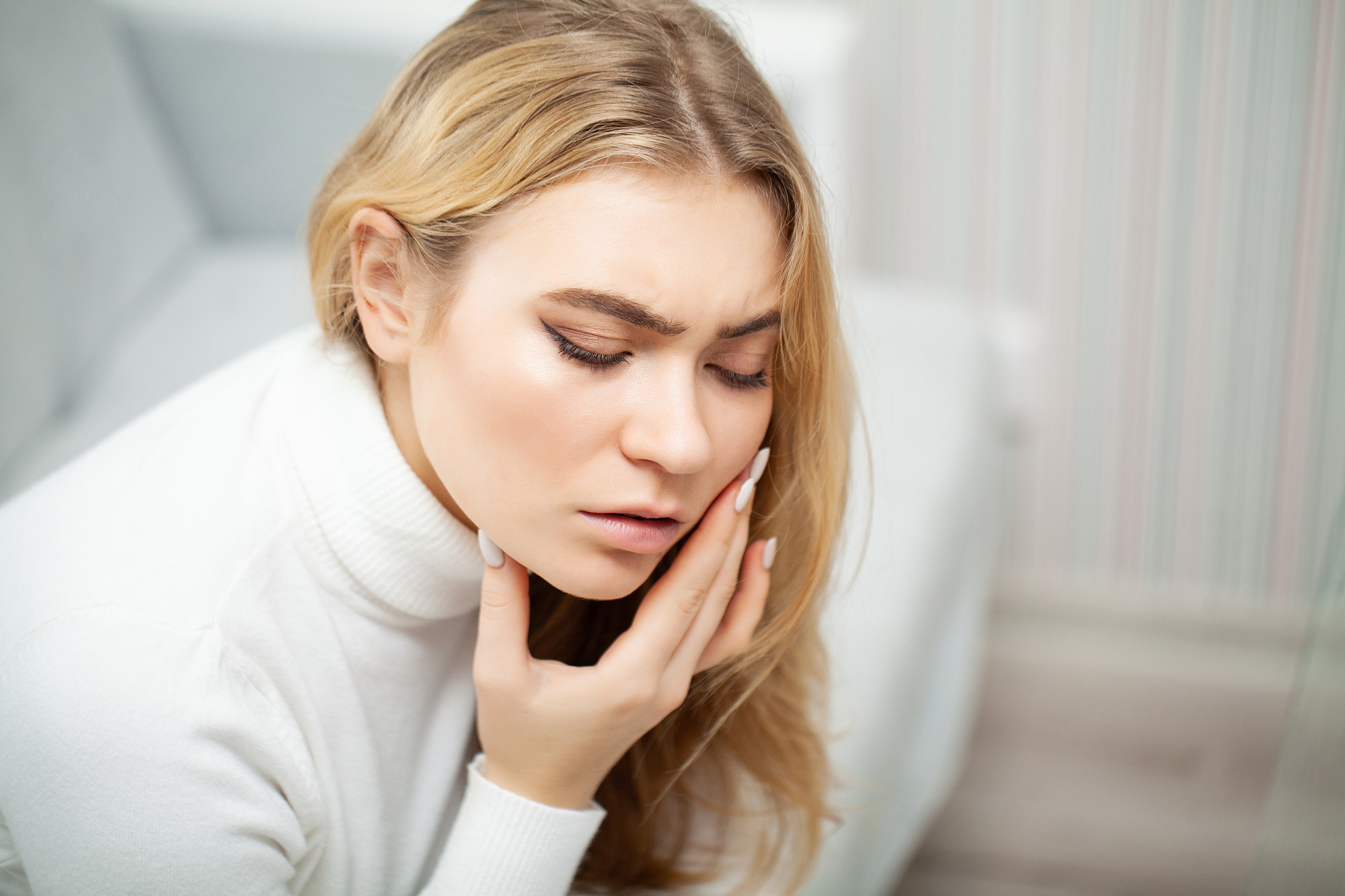
If you’ve ever woken up with a sore jaw, aching teeth, or unexplained headaches, you might be one of the millions of people dealing with bruxism—also known as teeth grinding or jaw clenching. Though it’s common, many people don’t realize they have it until symptoms begin to affect their daily lives. The good news? Bruxism is manageable, and there are effective treatments available, including occlusal guards and even Botox.
What Causes Bruxism?
Bruxism can stem from a variety of factors. Stress and anxiety are two of the most common culprits—our jaws can clench in response to tension, especially during sleep. Other contributing factors include:
- Sleep disorders, such as sleep apnea
- Misaligned teeth or an abnormal bite
- Lifestyle habits, including excessive caffeine or alcohol intake
- Certain medications, particularly antidepressants
It can be either awake bruxism (conscious clenching during the day) or sleep bruxism, which occurs involuntarily during sleep.
Recognizing the Symptoms
Bruxism isn’t always easy to catch, especially if it happens at night. Some of the most common signs include:
- Jaw soreness or tightness
- Facial pain or headaches (especially in the temples)
- Worn-down, flattened, or chipped teeth
- Increased tooth sensitivity
- Earaches (not caused by ear infection)
- Sleep disruption for you or your partner (due to grinding sounds)
Over time, untreated bruxism can lead to more serious dental problems, including damage to teeth, crowns, or dental implants.
How Is Bruxism Diagnosed?
Dentists typically detect bruxism during routine exams by observing wear patterns on the teeth, jaw tenderness, or damage to the inside of the cheeks. If you’re experiencing symptoms, a thorough dental and medical history will help pinpoint the cause and guide treatment.
Treatment Options: Occlusal Guards and Botox
Occlusal Guards (Night Guards)
One of the most common treatments for sleep bruxism is an occlusal guard—also called a night guard. These are custom-fitted trays worn over the teeth during sleep to cushion the impact of grinding.
Pros:
- Protect teeth from damage
- Often covered by dental insurance
- Non-invasive and easy to use
Cons:
- Can be uncomfortable at first
- Needs regular cleaning and replacement
- Doesn’t treat the root cause (like stress or alignment issues)
Botox for Bruxism
Botox, known for cosmetic use, is also gaining popularity as a treatment for severe bruxism. It works by partially relaxing the masseter muscles (the jaw muscles used for chewing), reducing the force of clenching without affecting normal function.
Benefits:
- Effective in reducing jaw tension and pain
- Results can last 3–6 months
- Non-surgical option for those who don’t respond to guards
Considerations:
- Typically not covered by insurance
- Must be administered by a trained medical professional
- Temporary and requires repeat treatments
Lifestyle and Home Remedies
In addition to professional treatments, certain self-care strategies can help:
- Stress management: Try meditation, yoga, or therapy
- Sleep hygiene: Keep a regular sleep schedule, avoid screens before bed
- Avoid stimulants: Cut back on caffeine, especially in the evening
- Jaw exercises: Gentle stretching can reduce tension
When to See a Professional
If you’re experiencing jaw pain, headaches, or suspect teeth grinding, it’s worth a visit to your dentist or healthcare provider. Early intervention can prevent long-term damage and relieve discomfort.
Final Thoughts
Bruxism is more common than you might think, but it doesn’t have to control your life—or your smile. Whether it’s a simple night guard or advanced treatments like Botox, help is available. Don’t ignore the signs; your teeth and your jaw will thank you.
Would you like to include images, sources, or a section on frequently asked questions? I can also help refine the tone or expand on any parts.