
Introduction
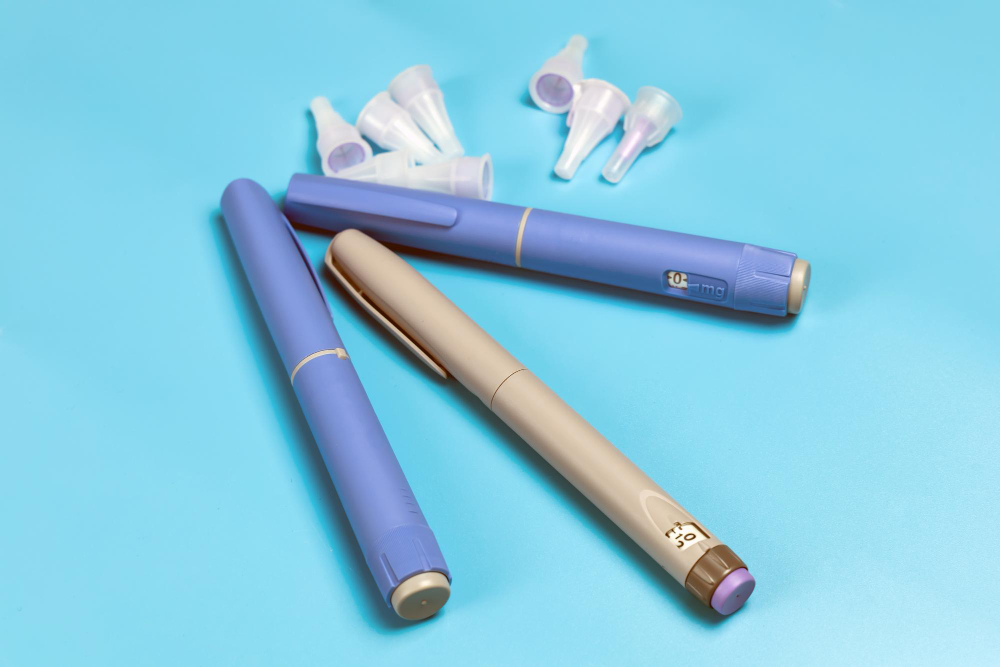
Semaglutide, known by brand names like Ozempic and Wegovy, is quickly becoming one of the most talked-about medications for managing type 2 diabetes and aiding in weight loss. If you’re one of the many people using this drug, you’re probably aware of its effects on appetite, digestion, and blood sugar. But there’s a lesser-known aspect to consider—how it may impact your dental care.
Whether you’re going in for a routine cleaning, a cavity filling, or a more advanced procedure like oral surgery, it’s important to tell your dentist about any medications you’re taking—including semaglutide. Here’s why your dentist needs to know and what you can do to prepare for your next appointment.
1. What Is Semaglutide?
Semaglutide is a medication that mimics a hormone in your body called GLP-1 (glucagon-like peptide-1). This hormone helps regulate blood sugar levels and slows digestion, which can lead to a feeling of fullness. It’s prescribed under brand names like Ozempic (for type 2 diabetes) and Wegovy (for chronic weight management).
Because it slows the movement of food through the stomach—a condition called delayed gastric emptying—patients taking semaglutide often experience reduced appetite, weight loss, and in some cases, nausea or vomiting.
2. Why Your Dentist Needs to Know
Dentists don’t just look at your teeth—they consider your overall health. Here’s how semaglutide may affect your dental care:
- Sedation Risks: For procedures that involve sedation or anesthesia, the slowed digestion caused by semaglutide increases the risk of aspiration (inhaling food or stomach contents into the lungs). This can be a serious complication during dental surgery or procedures under sedation.
- Delayed Healing: There’s some concern that medications affecting metabolism and nutrient intake might also influence wound healing, which is critical after extractions or implant surgeries.
- Side Effects Like Nausea: If you’re experiencing nausea, it might be harder to tolerate a dental exam or treatment, especially if you’ve had to fast.
That’s why it’s essential to tell your dentist (and your physician) that you’re taking semaglutide—before the day of your appointment.
3. Preparing for Your Appointment
Here are a few steps to take before seeing your dentist:
- Share Your Medication List: Always provide a full list of medications, including semaglutide and any supplements or over-the-counter drugs.
- Talk About Timing: Your dentist may recommend adjusting when you take semaglutide before your appointment. In some cases, especially for procedures requiring sedation, your doctor may advise skipping a dose.
- Avoid Eating Too Close to the Appointment: Follow your dentist’s instructions about when to stop eating—this is even more important if you’re taking a drug that delays stomach emptying.
- Bring Up Any Symptoms: Let your dentist know if you’ve been feeling nauseous, dizzy, or unusually fatigued. These symptoms can affect your comfort and safety during treatment.
4. Special Considerations for Oral Surgery
If you’re having a procedure that involves anesthesia—like wisdom tooth removal or dental implants—coordination between your dentist, oral surgeon, and prescribing physician becomes even more important.
In March 2024, the American Society of Anesthesiologists released guidance suggesting that patients on GLP-1 receptor agonists like semaglutide may need to pause the medication before undergoing anesthesia. This is something that must be discussed with your medical provider well in advance.
5. Key Takeaways
- Semaglutide can impact your dental care, especially during procedures that involve sedation.
- Always inform your dentist about any medications you’re taking.
- Your dental and medical teams may need to coordinate for your safety.
- Don’t stop taking semaglutide without speaking to your doctor first.
Conclusion
Dental visits are about more than just your smile—they’re part of your overall health. By sharing information about your medications like semaglutide, you empower your dentist to provide the safest, most effective care possible. So the next time you sit in that chair, make sure your health history is up to date. Your teeth—and your whole body—will thank you.