
Introduction
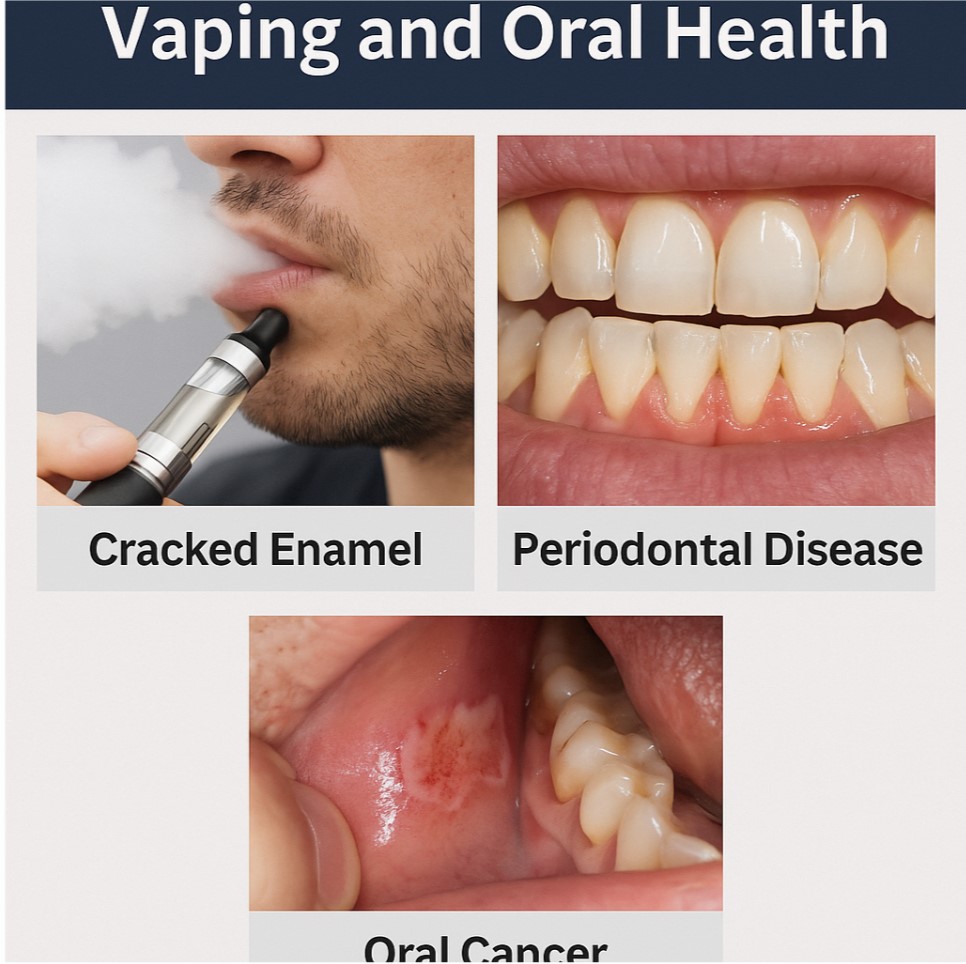
Vaping has rapidly gained popularity, especially among teens and young adults, often perceived as a safer alternative to traditional smoking. However, emerging research indicates that vaping poses significant risks to oral health, including dry mouth, enamel erosion, increased susceptibility to tooth fractures, periodontal disease, and even potential links to oral cancer. As dental professionals, it’s crucial to understand these risks to provide informed care and guidance to patients.
Understanding Vaping – What’s In That Vapor?
E-cigarettes function by heating a liquid—commonly known as e-liquid or vape juice—to produce an inhalable aerosol.This aerosol contains various substances that can adversely affect oral health:
- Nicotine: A vasoconstrictor that reduces blood flow to the gums, impairing healing and increasing the risk of periodontal disease. www.heart.org
- Propylene Glycol (PG): A desiccant that can lead to dry mouth, reducing saliva flow and its protective effects against bacteria. ScienceDirect
- Vegetable Glycerin (VG): When combined with flavorings, VG can increase the adherence of cariogenic bacteria to enamel surfaces, promoting plaque buildup and caries. ScienceDirect
- Flavorings: Many flavoring agents have been shown to be cytotoxic and inflammatory to oral epithelial cells.
- Heavy Metals and Byproducts: Heating coils in vaping devices can leach heavy metals like lead, nickel, and chromium into the aerosol, which may contribute to mucosal irritation and immune dysregulation.
Additionally, the heat produced by vaping devices can cause rapid changes in oral temperature, potentially weakening tooth structure over time and increasing the risk of fractures.
Vaping and Tooth Structure
Dry Mouth and Caries Risk
Nicotine and propylene glycol in e-liquids reduce salivary flow, leading to dry mouth (xerostomia). Saliva is essential for neutralizing acids and remineralizing enamel; its reduction creates an environment conducive to bacterial growth and acid accumulation, increasing the risk of demineralization and caries.
Enamel Erosion and Surface Wear
Acids formed when e-liquids are heated can erode enamel over time, weakening the teeth’s outer layer and leading to increased sensitivity and discoloration. Once enamel is compromised, the underlying dentin becomes more vulnerable to damage.
Cracks and Fractured Teeth
Thermal cycling from the repeated heating and cooling during vaping can introduce stress fractures in tooth enamel.Over time, this can lead to the formation of craze lines, microcracks, or even full-blown fractures. Patients who vape and also suffer from bruxism are especially vulnerable.
Periodontal Implications of Vaping
Inflammatory Response and Gingival Health
Nicotine reduces blood flow to gingival tissues, impairing immune surveillance and healing. Studies have shown that vaping induces increased levels of inflammatory cytokines, contributing to gingival tissue breakdown, pocket formation, and accelerated bone resorption.
Biofilm Disruption and Microbial Shifts
Vaping alters the oral microbiome, favoring the growth of pathogenic bacteria associated with periodontal disease. This microbial shift destabilizes the biofilm, tipping the balance toward periodontal destruction. PMC
Comparing Vaping and Smoking: Is One Better?
While vaping may expose users to fewer carcinogens than smoking, its effects on periodontal tissues are alarmingly similar. Some studies suggest that vaping may provoke a stronger localized inflammatory response due to the concentration and nature of flavoring agents and other chemicals.
Vaping and Oral Cancer Risk
Chemical Carcinogens in Vape Aerosols
E-liquids contain substances like formaldehyde, acetaldehyde, and nitrosamines, which are known carcinogens. These chemicals can cause DNA damage and interfere with cellular repair mechanisms in oral tissues.
DNA Damage and Cellular Changes
Research indicates that e-cigarette vapor can cause increased DNA strand breaks in oral epithelial cells, oxidative stress, and changes in gene expression related to tumor suppression and cell cycle regulation.
Clinical Implications and Early Detection
Dental professionals should be vigilant for signs such as persistent leukoplakia, erythroplakia, non-healing ulcers, and tissue thickening. Routine oral cancer screenings should be part of every comprehensive exam, particularly for patients who vape regularly.
What Dental Professionals Should Watch For
Key Clinical Signs in Vaping Patients
- Soft Tissue Changes: Erythema, leukoplakia, or non-healing ulcers.
- Periodontal Indicators: Localized or generalized gingival inflammation and tissue recession.
- Hard Tissue and Structural Clues: Unexplained enamel fractures or craze lines, increased dentin hypersensitivity, and rapid onset caries.
- Other Observations: Dry, tacky mucosa, halitosis resistant to standard interventions, and complaints of throat irritation.
Screening and Documentation
Clinicians should inquire directly about vaping habits during health history updates and document findings meticulously to track trends and provide informed care.
Patient Communication: Education Over Judgment
Approach discussions about vaping with empathy and evidence-based information. Focus on sharing observed correlations and framing concerns in terms of long-term health goals. Provide resources, including quitting programs or harm-reduction strategies, to support patients in making informed decisions.
Educating the Public – A Shared Responsibility
Bridging the Knowledge Gap
Dental practices can play a pivotal role in public education by offering evidence-based information in various formats, creating youth-friendly materials, and collaborating with schools and public health departments to spread awareness.
Support Over Stigma
Education should be grounded in compassion. Providing tools and support empowers patients to make healthier choices without feeling judged.
Conclusion
Vaping may lack the smoke and stigma of traditional cigarettes, but it is far from harmless—especially concerning oral health. From dry mouth and enamel erosion to fractured teeth, periodontal disease, and potential carcinogenic effects, e-cigarette use poses real and measurable risks. Dental professionals must stay informed, enhance clinical awareness, and serve as trusted sources of information and support. By working together, clinicians and patients can bring these hidden consequences to light and ensure that oral health remains a central part of the vaping conversation.